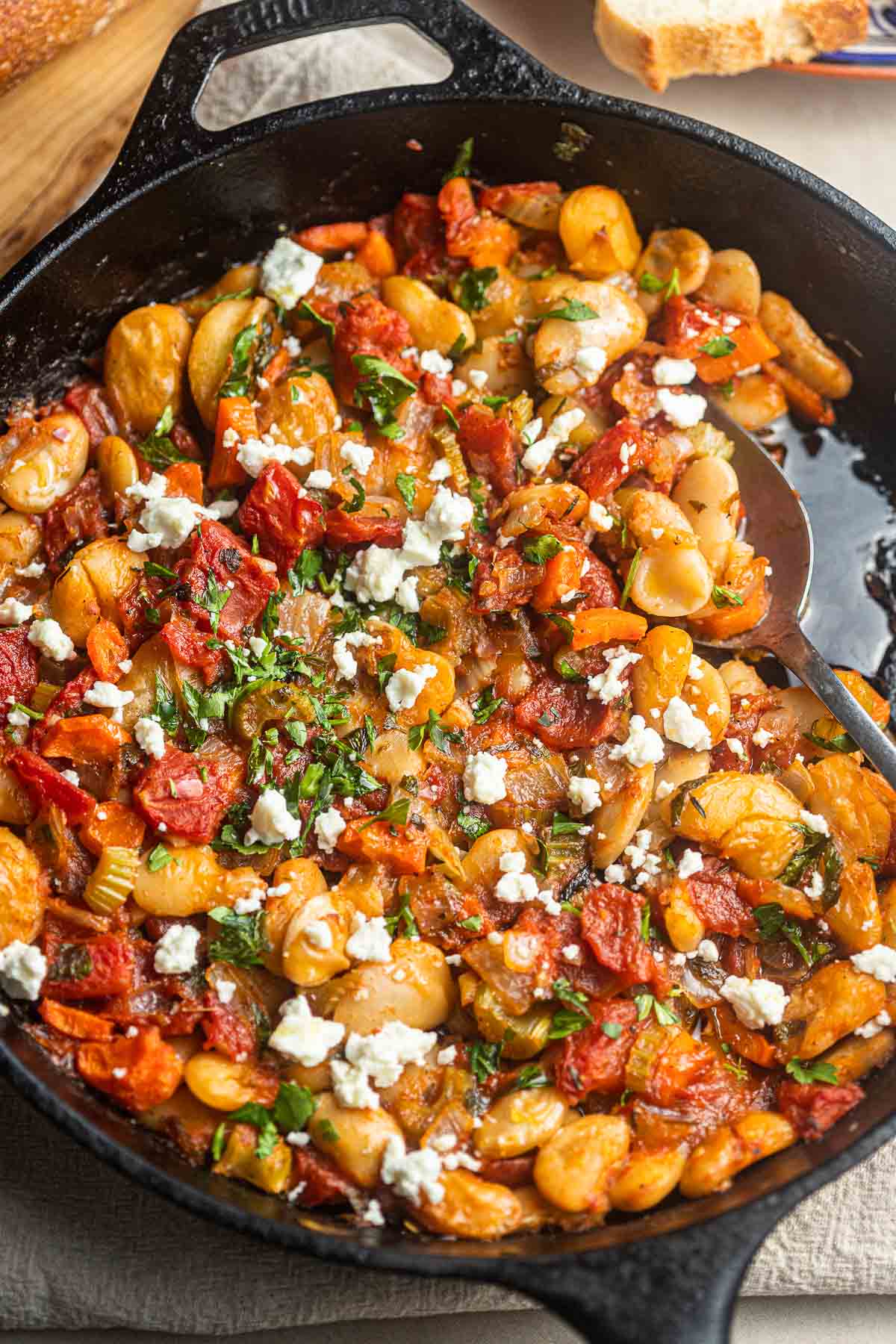
Gigantes Plaki: Hearty Plant-Based Greek Comfort for Mezze or Main
Imagine a dish that embodies the very soul of Greek hospitality – rich, flavorful, and incredibly comforting, yet made from the humblest of ingredients. That's precisely what you get with Gigantes Plaki, often celebrated as the quintessential
greek baked beans. This deeply satisfying, entirely plant-based creation emerges from the oven bubbling with a vibrant tomato sauce, infused with aromatic herbs, and glistening with golden olive oil. At its heart are tender, creamy lima beans (or butter beans), transformed into a meal that's every bit as hearty and fulfilling as any meat-based alternative.
Gigantes Plaki isn't just food; it's an experience. Traditionally gracing tables in Greek tavernas, especially in the sun-drenched countryside, it’s a dish that speaks volumes of simplicity, generosity, and the power of wholesome ingredients. Whether served warm or at room temperature, it's a versatile star, perfect as part of a vibrant mezze spread, a robust main course accompanied by crusty bread, or even a cherished addition to a festive holiday meal. Its universal appeal lies in its ability to nourish the body and soothe the soul, making it a beloved staple in homes across Greece and increasingly, around the world.
The Soul of Greek Comfort Food: Gigantes Plaki Explained
The name "Gigantes Plaki" itself offers clues to its essence. "Gigantes" (pronounced yee-GAHN-tess) translates to "giants," referring to the impressively large white beans that are the dish's foundation. "Plaki" denotes the method of preparation – baking in the oven. This ancient technique, perfected over generations, allows the flavors to meld and deepen slowly, resulting in a dish of remarkable complexity from simple components.
This traditional Greek recipe holds a special place in Greek culture, particularly during Lent (Sarakosti), when many Orthodox Christians adhere to a vegan diet, abstaining from meat, dairy, and even oil on certain strict fasting days. Gigantes Plaki perfectly aligns with this tradition, offering robust nutrition and profound flavor without animal products. Its reliance on pantry staples like dried beans, canned tomatoes, and olive oil makes it accessible and a testament to the ingenuity of Greek cooking. If you're curious to dive deeper into its cultural significance during this period, you can read more at
Gigantes Plaki: Greek Baked Beans, A Wholesome Lent Tradition.
The magic of Gigantes Plaki lies in its balanced flavor profile. It masterfully intertwines the natural sweetness of slow-roasted tomatoes with the earthy notes of oregano, the smoky warmth of paprika, and a subtle zing from garlic. The star, however, is undoubtedly olive oil – not merely a cooking fat, but a foundational flavor component. A robust, fruity extra virgin olive oil contributes significantly to the sauce's signature silkiness and luxurious mouthfeel, creating a glossy, rich finish that is utterly irresistible.
Crafting Culinary Magic: Key Ingredients and Preparation Tips for Your Greek Baked Beans
Achieving the perfect Gigantes Plaki relies on a few high-quality ingredients and a patient approach to preparation. The beauty of this dish is its simplicity, yet attention to detail can elevate it from good to truly exceptional.
Essential Ingredients:
- The Beans: Large white beans are non-negotiable. While dried gigantes beans are traditional, readily available options like large lima beans or butter beans work wonderfully due to their creamy texture and ability to absorb the rich sauce while maintaining their structure. If using dried beans, remember to soak them overnight and par-boil them until just tender before adding them to the sauce. This pre-cooking step is crucial for even cooking and a creamy interior. Canned large white beans can also be used for convenience, but ensure they are thoroughly rinsed and drained.
- The Olive Oil: This is where quality truly shines. Don't shy away from using a generous amount of a high-quality, robust extra virgin olive oil. It forms the backbone of the sauce, imparting its distinctive peppery notes and contributing to that desirable glossy finish and deep flavor that defines authentic greek baked beans.
- The Tomato Base: Diced tomatoes provide the necessary acidity and body. For an even deeper umami note, a tablespoon or two of good quality tomato paste can be added, cooked down with the aromatics before introducing the diced tomatoes. A small amount of brown sugar (or even a touch of honey for a more complex sweetness) helps balance the natural sharpness of the tomatoes, creating a well-rounded sauce.
- Aromatics and Herbs: Freshly chopped onion, gently sautéed until translucent, forms the flavor foundation. Minced garlic, cooked briefly until fragrant, adds a pungent warmth. Dried oregano is indispensable, lending its classic Mediterranean character, while sweet paprika introduces a lovely smokiness and color. A pinch of red pepper flakes can be added for a subtle kick, if desired. Fresh parsley, stirred in at the very end or used as a garnish, provides a bright, fresh lift to the entire dish.
The Cooking Process:
- Building the Flavor Base: Start by gently sautéing the chopped onion in a generous amount of olive oil over medium heat. This step is crucial; cooking the onion until it's soft and translucent (not browned) sweetens it and lays a deep foundation for the sauce. Add the minced garlic and cook for just another minute until it becomes fragrant, being careful not to burn it, as burnt garlic can turn bitter.
- Developing the Sauce: Stir in the diced tomatoes, water or vegetable broth, brown sugar, oregano, paprika, and red pepper flakes (if using). Bring the mixture to a gentle simmer and let it cook for at least 10-15 minutes. This simmering time allows the flavors to meld beautifully and the sauce to begin thickening, ensuring a richer outcome in the oven. Season with salt and freshly ground black pepper to taste.
- Combining and Baking: Gently fold the pre-cooked (or thoroughly rinsed canned) beans into the simmering sauce. Taste and adjust seasoning as needed. Transfer the entire mixture to an ovenproof baking dish. The baking process is what truly transforms the dish. Slow and steady baking in a moderately hot oven allows the beans to soak up the glorious sauce, becoming incredibly tender, while the sauce thickens and caramelizes slightly around the edges, creating those irresistible pockets of intensified flavor. For more detailed insights into unlocking this dish's rich taste, you might find Unlocking Gigantes Plaki: Deep Flavor in Traditional Greek Baked Beans particularly helpful.
Beyond the Plate: Serving Your Hearty Gigantes Plaki
One of the great joys of Gigantes Plaki is its incredible versatility. It shines in many roles, adapting effortlessly to various dining occasions.
*
As a Mezze Dish: Served warm or at room temperature, it's a fantastic addition to any Greek mezze spread. Its hearty texture and rich flavor pair beautifully with lighter appetizers like tzatziki, dolmades, olives, or fresh vegetable sticks.
*
As a Main Course: For a satisfying and wholesome meal, serve a generous portion of Gigantes Plaki as a stand-alone main. The protein-rich beans and nutrient-dense sauce make it incredibly filling.
*
As a Side Dish: It can also complement grilled fish, chicken, or other Mediterranean-inspired main dishes, adding a burst of flavor and a comforting counterpoint.
No matter how you serve it, there's one non-negotiable accompaniment: plenty of crusty bread. This is essential for mopping up every last drop of that lusciously thick, tomato-infused olive oil sauce. The combination of soft bread soaked in the flavorful liquid is pure culinary bliss. For a complete meal, pair your
greek baked beans with a simple green salad dressed with lemon and olive oil, or a side of marinated olives for an extra Mediterranean touch.
One of the most remarkable qualities of Gigantes Plaki is how the flavors deepen and evolve over time. Leftovers the next day are often even better, making it an excellent dish for meal prepping or batch cooking. It stores well in the refrigerator for several days, and can even be frozen for longer storage. Simply reheat gently on the stovetop or in the oven, adding a splash of water or broth if the sauce has become too thick.
Conclusion
Gigantes Plaki is more than just a recipe for
greek baked beans; it's a culinary journey into the heart of Greek comfort food. It celebrates the power of simple, humble ingredients to create something truly extraordinary – a dish that is deeply comforting, incredibly nourishing, and bursting with vibrant Mediterranean flavors. Whether you're a seasoned cook looking to expand your plant-based repertoire or simply seeking a taste of the Greek taverna in your own home, Gigantes Plaki offers a truly rewarding experience. Its warmth, richness, and wholesome goodness are a testament to how powerful food can be when cooked with care and passion. Embrace the tradition, savor the flavors, and enjoy this timeless Greek masterpiece.